 16.10.2026 - 17.10.2026
 16.10.2026 - 17.10.2026
 24.10.2026
 14.11.2026
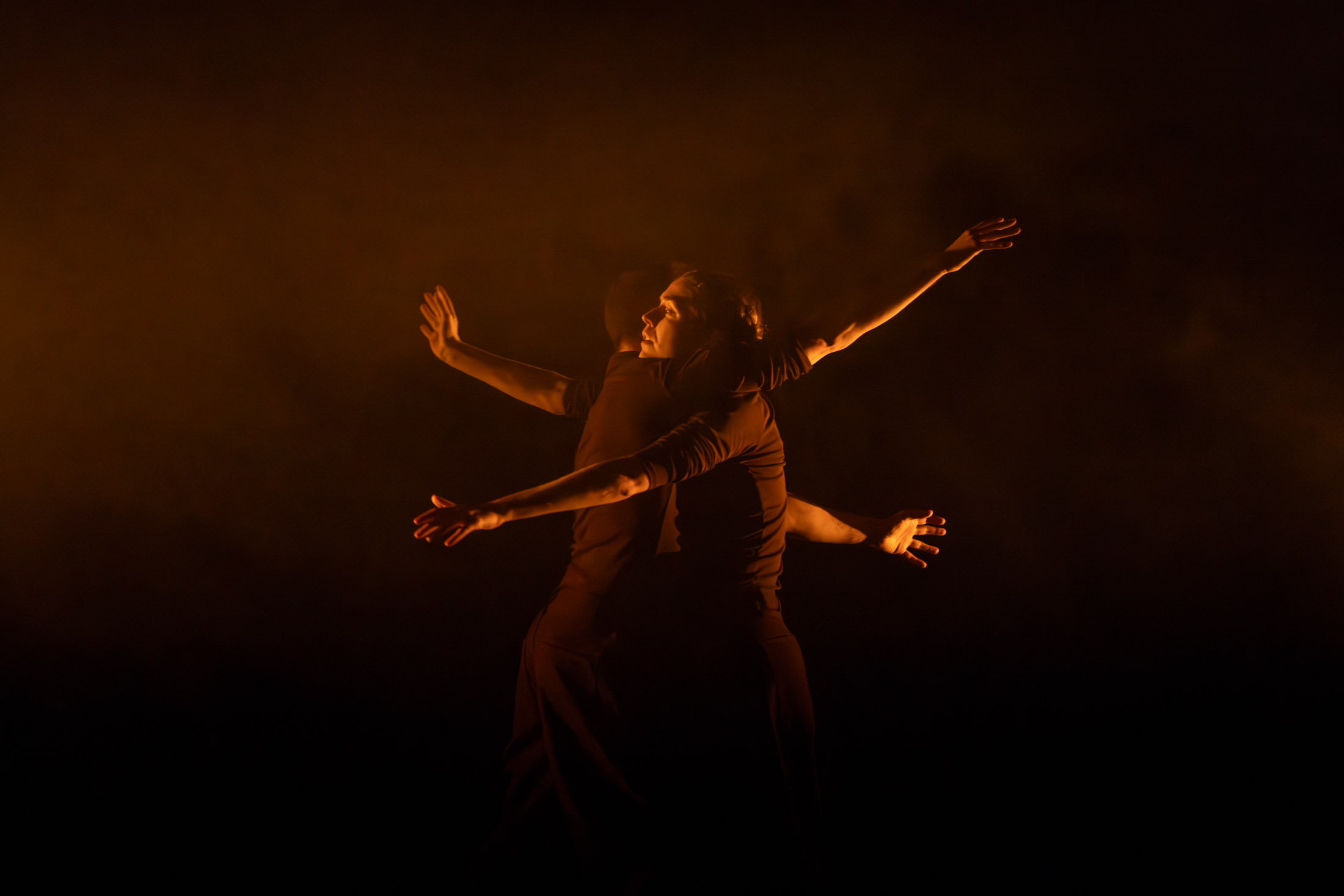 12.12.2026
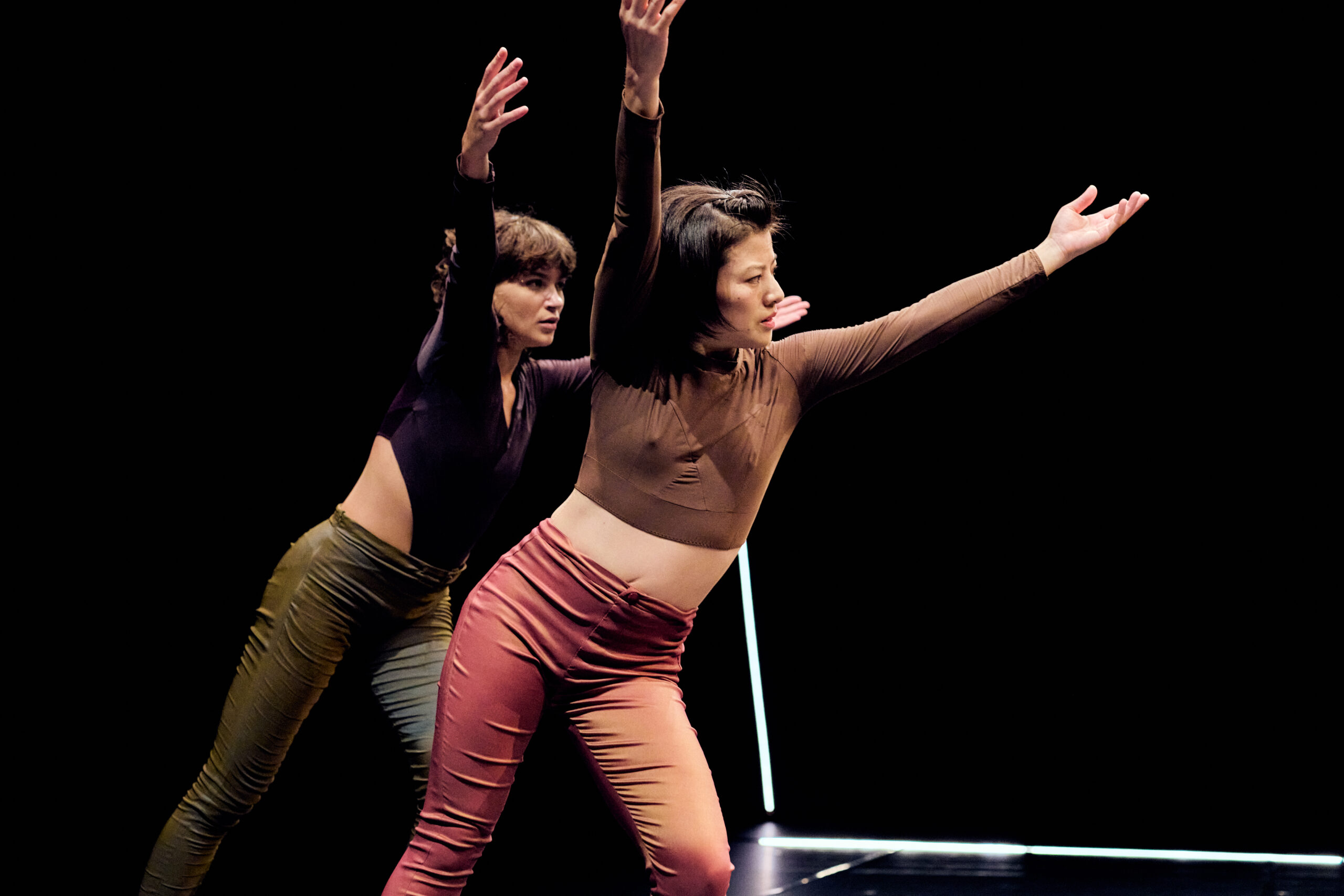 23.01.2027
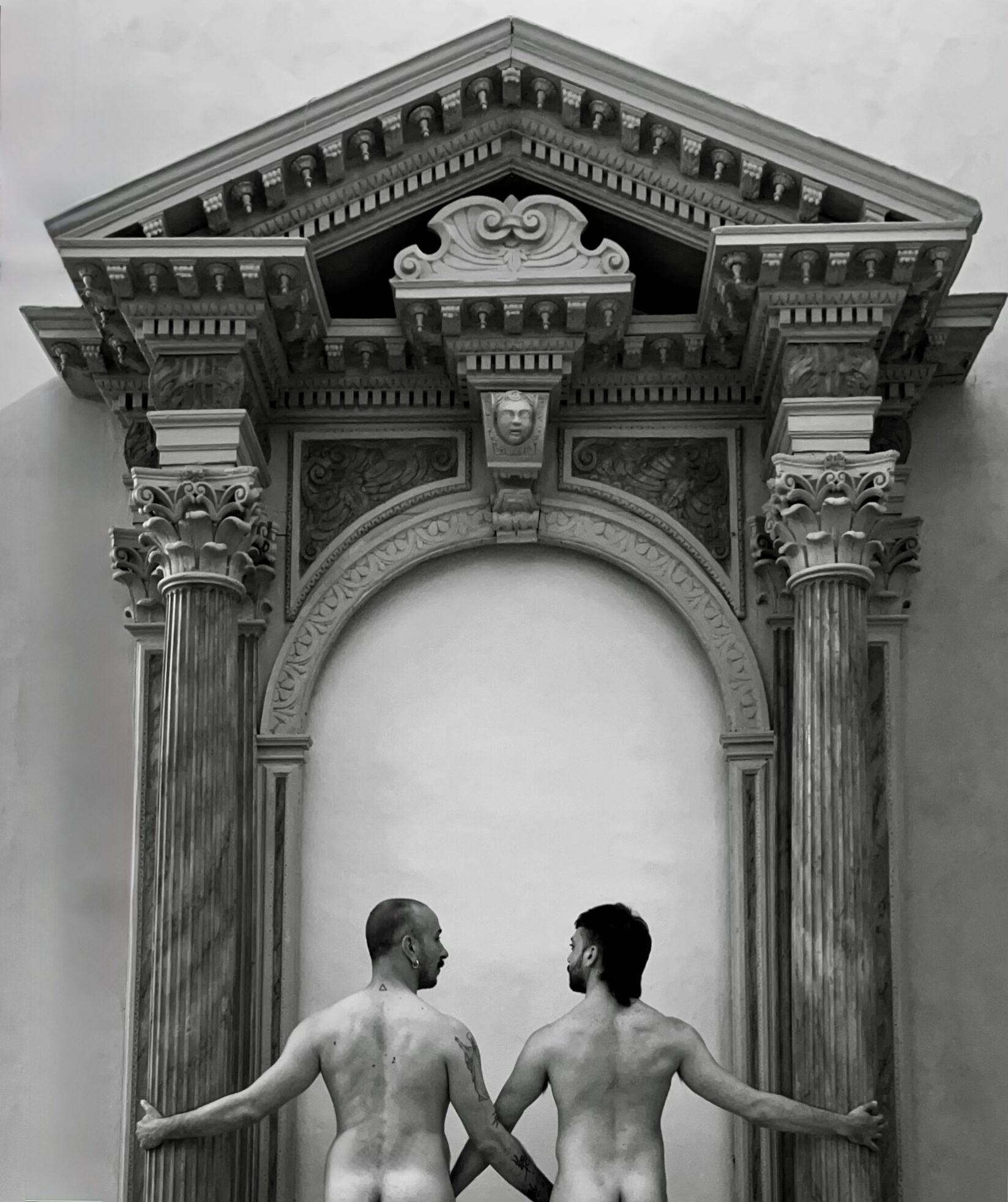 03.10.2026
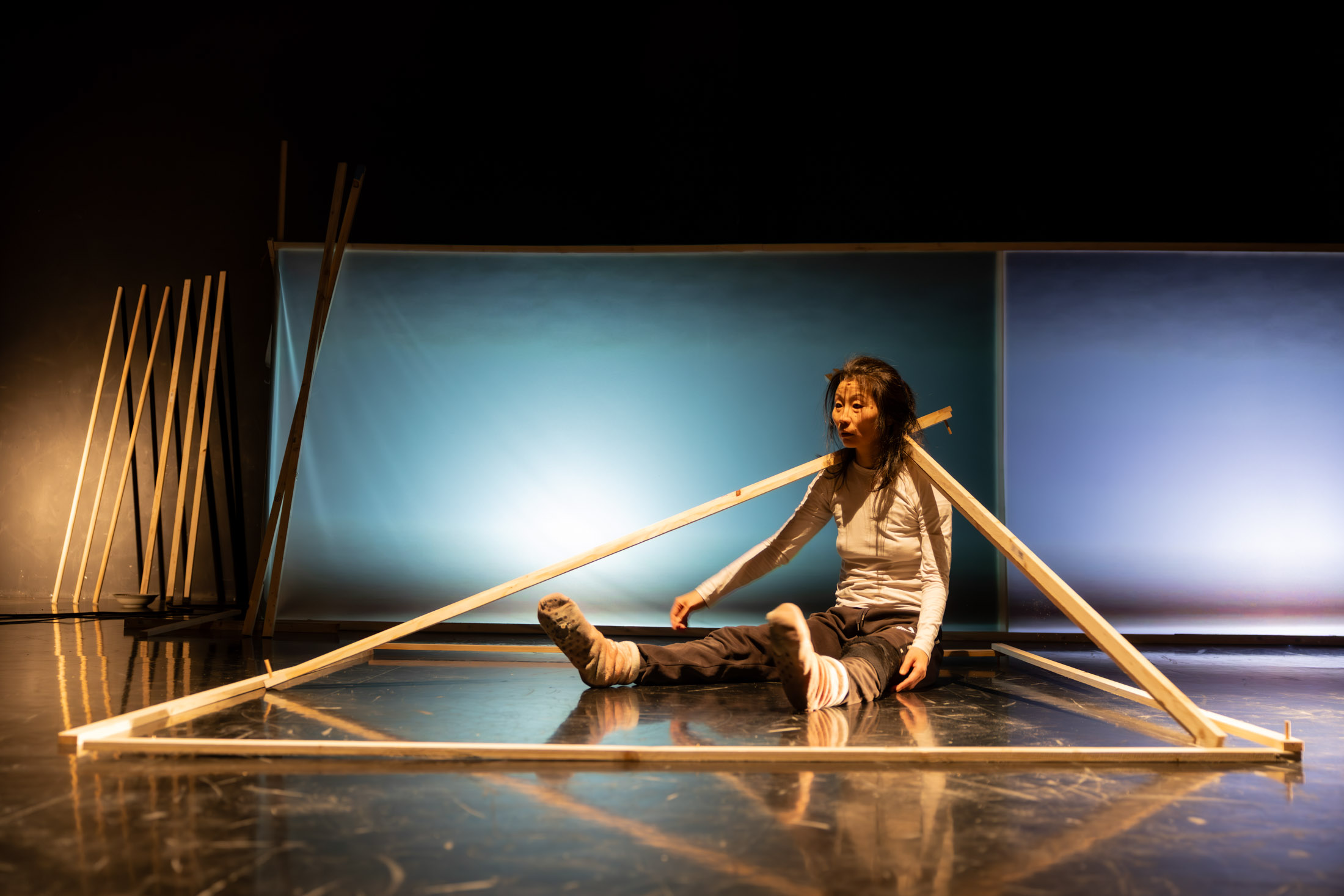 03.11.2026
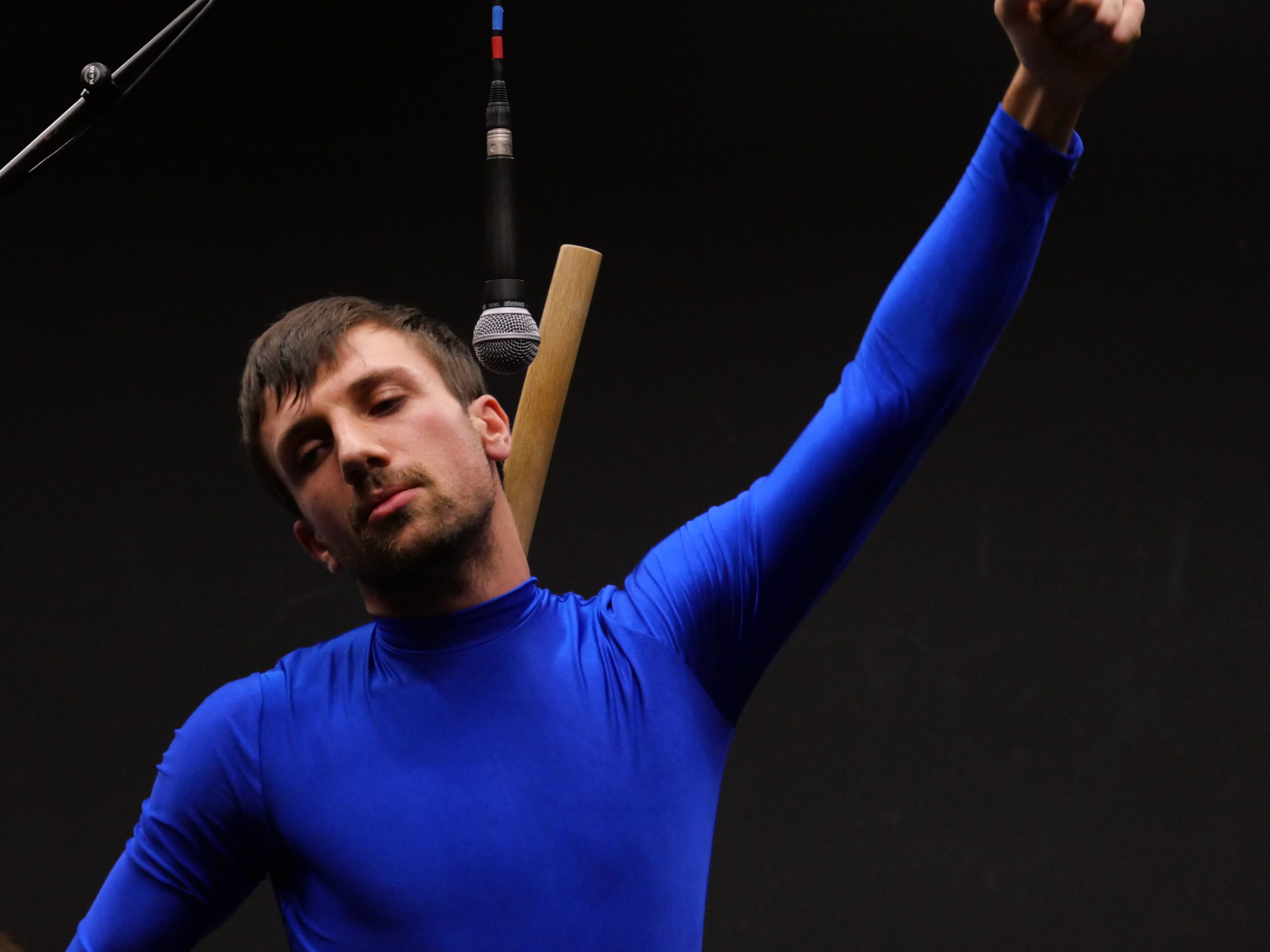 03.12.2026
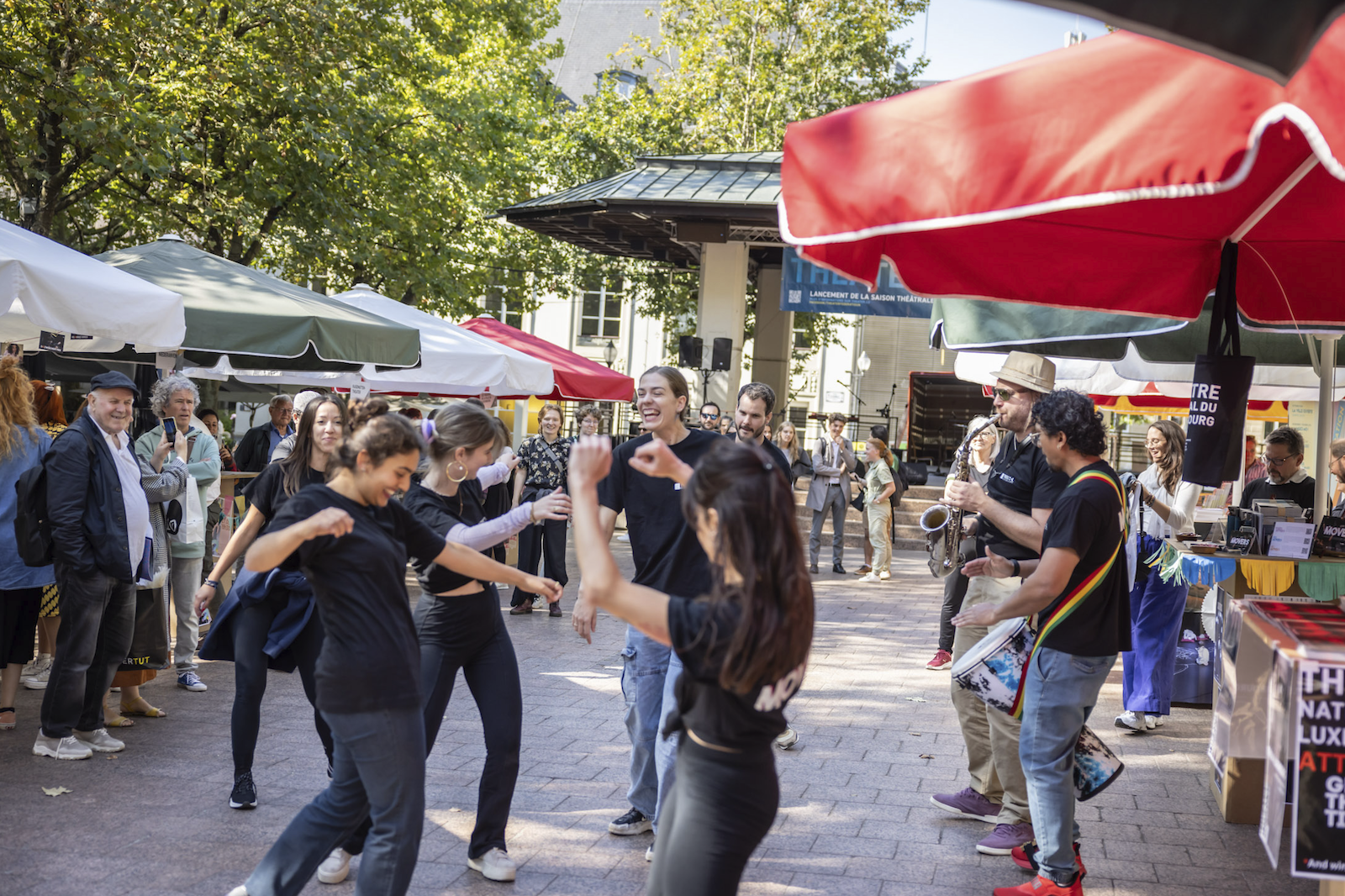
After a break, TROIS C-L is relaunching this weekly workshop programme designed for 15–35-year-olds who want to dance, discover and share, with no pressure and...
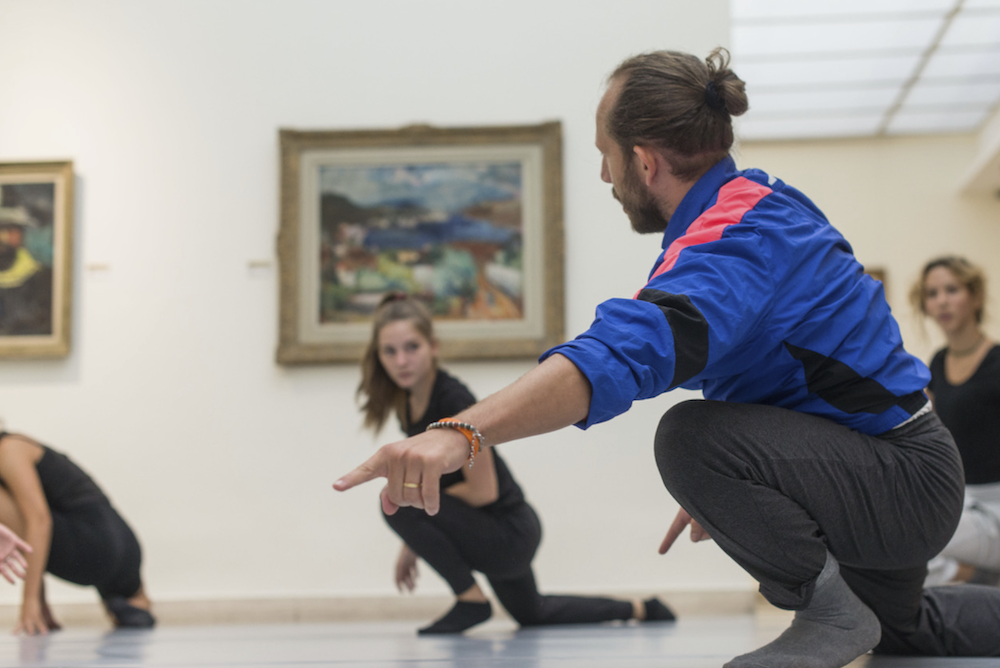
Pour ce KIDS MOVERS, Giovanni Zazzera offre aux jeunes un espace où le mouvement devient un langage à part entière au cours de cet atelier....

Led by Crazy Smooth, founder of the Canadian company Bboyizm, the workshop explores its fundamentals, from Top Rock to power moves, before inviting each participant...
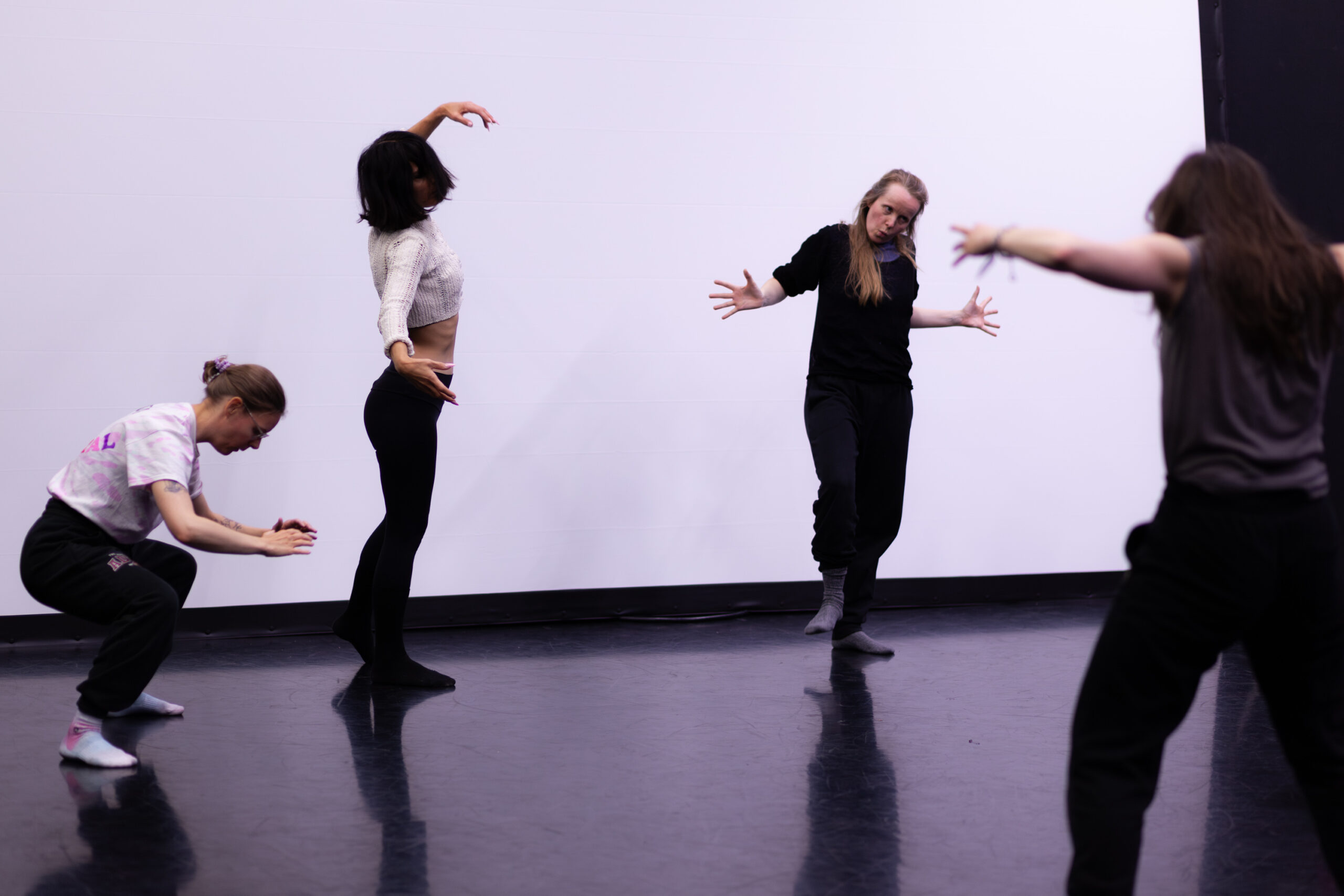
Starting from the idea that the body reflects our society, we will gently investigate the connection between movement, sensation, and emotion during this new 55+...

Cet atelier est consacré au freestyle en waacking : à partir des techniques propres au waacking, Letizia vous aidera à explorer différentes façons de construire...
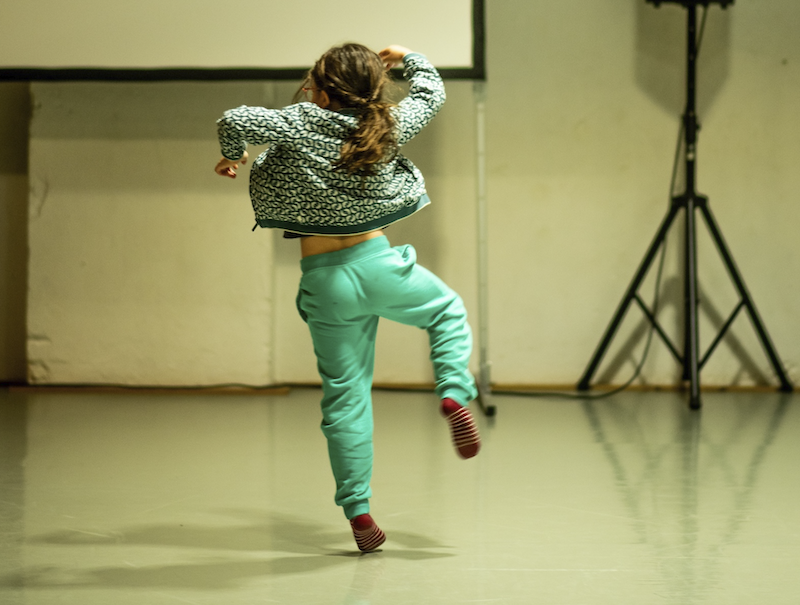
Laissez libre cours à votre créativité avec Alicia Cano Smit ! Cet atelier propose une initiation à la danse hip-hop et offre aux participant·es un...
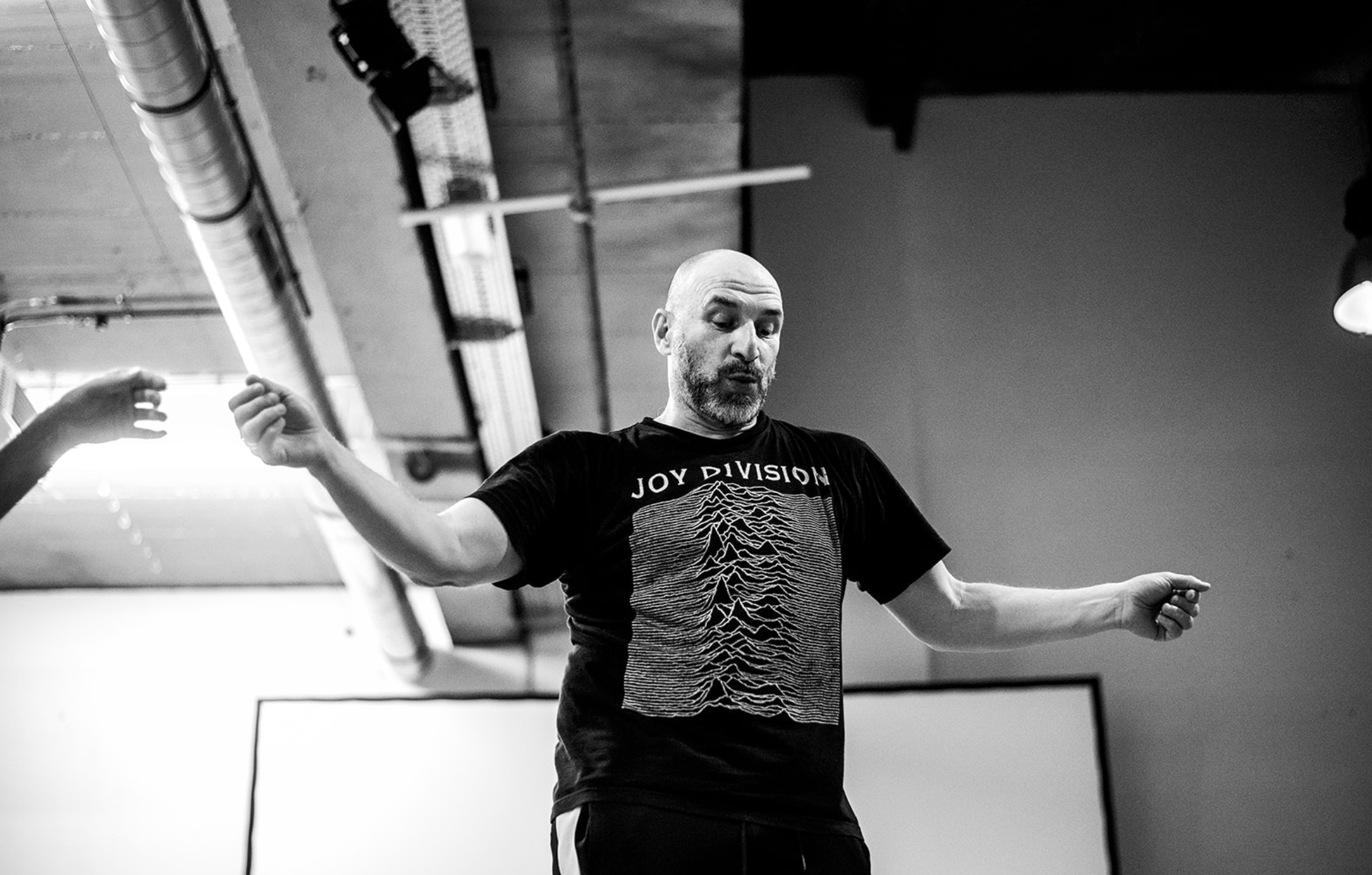
Through Yuval Pick’s Practice Gold method, we explore what is alive, sensitive, and unique within each of us. It’s about rediscovering the joy of movement...
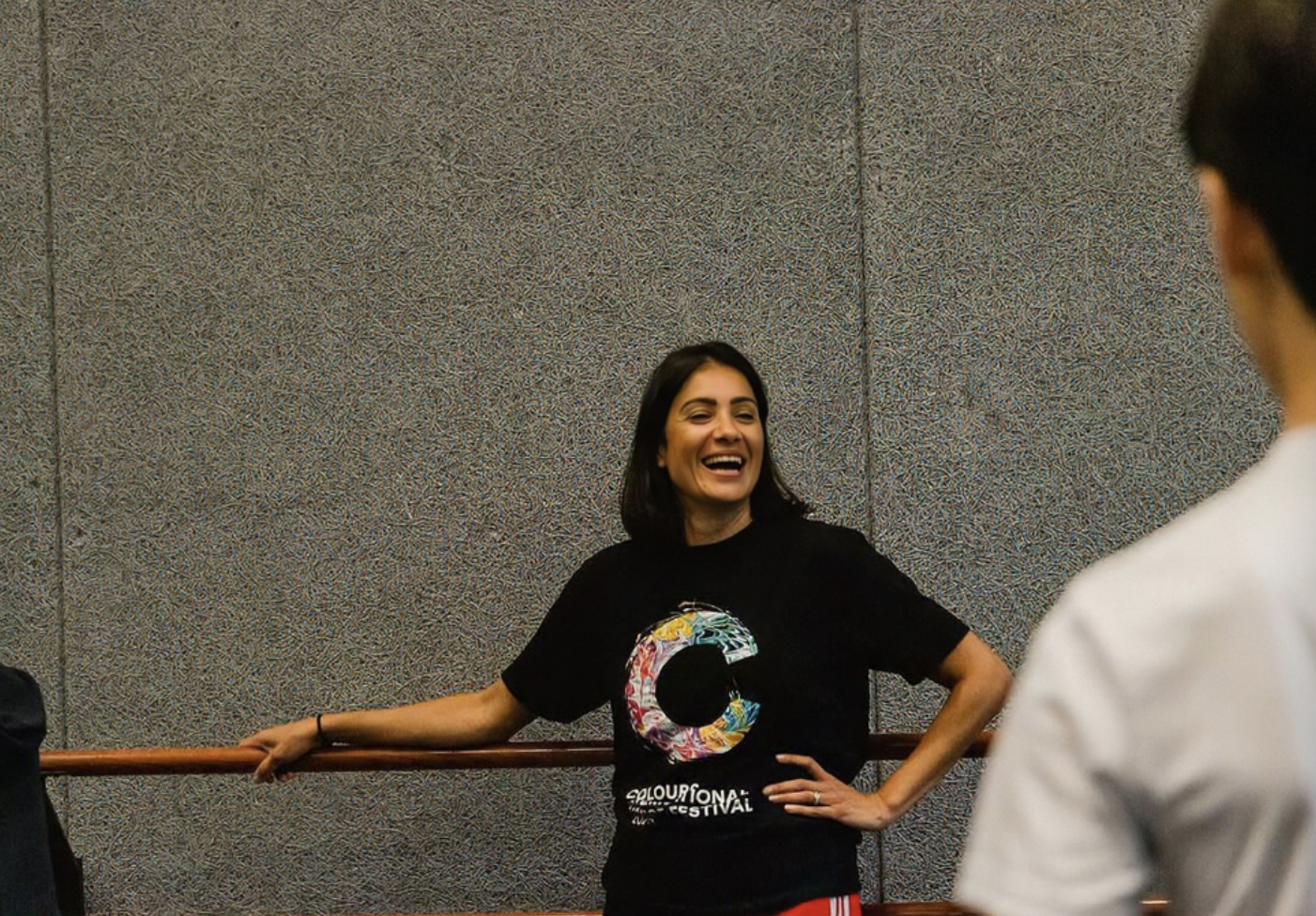
Led by Anisa Tejpar, the Canadian choreographer's Répétiteur and Creative Assistant, this workshop begins with a guided warm-up before participants discover, through their own bodies,...
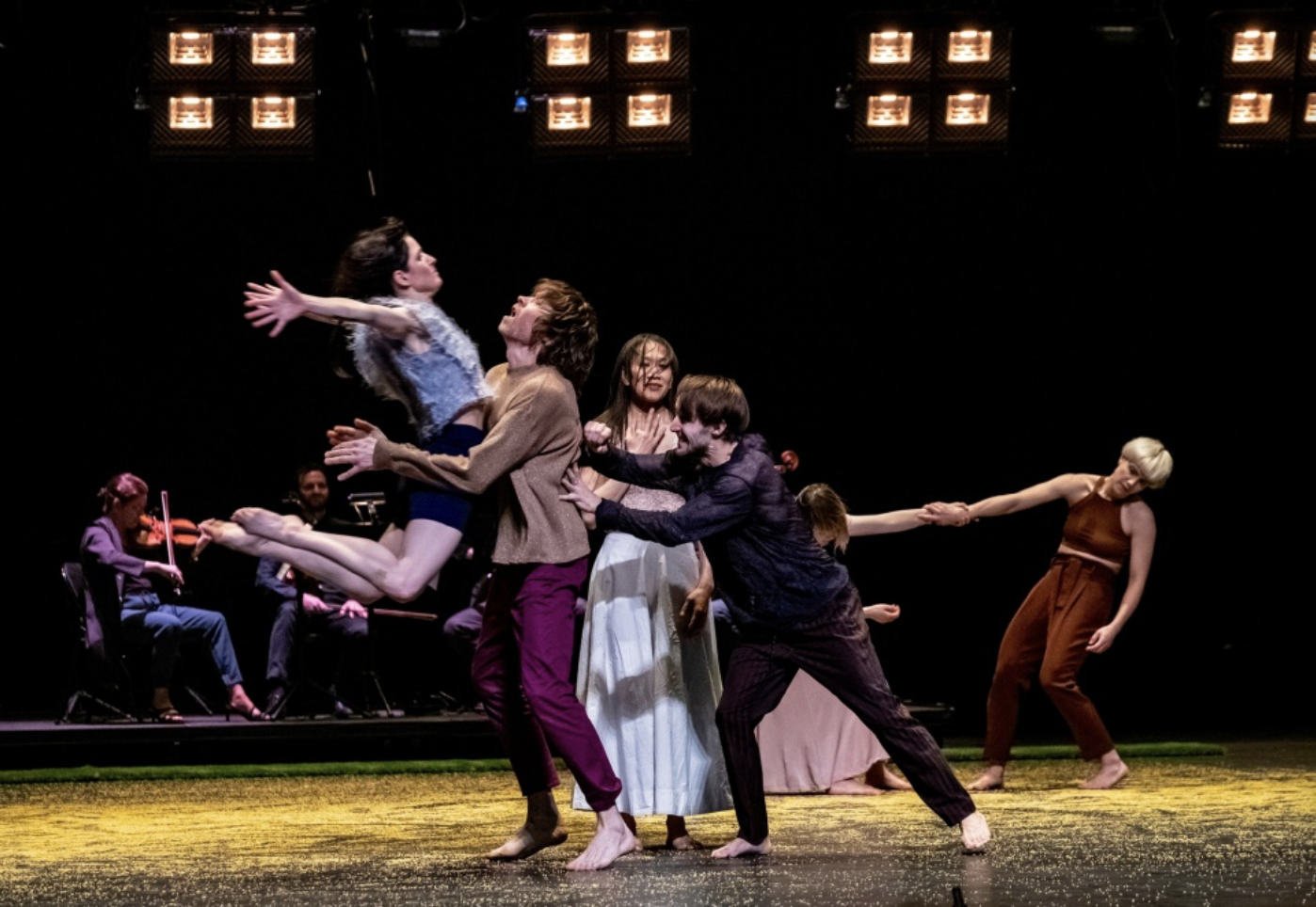
Drawing on an excerpt from the repertoire, participants will explore the movement qualities that define the Québec choreographer’s distinctive style – musicality, attack, elasticity, ferocity,...
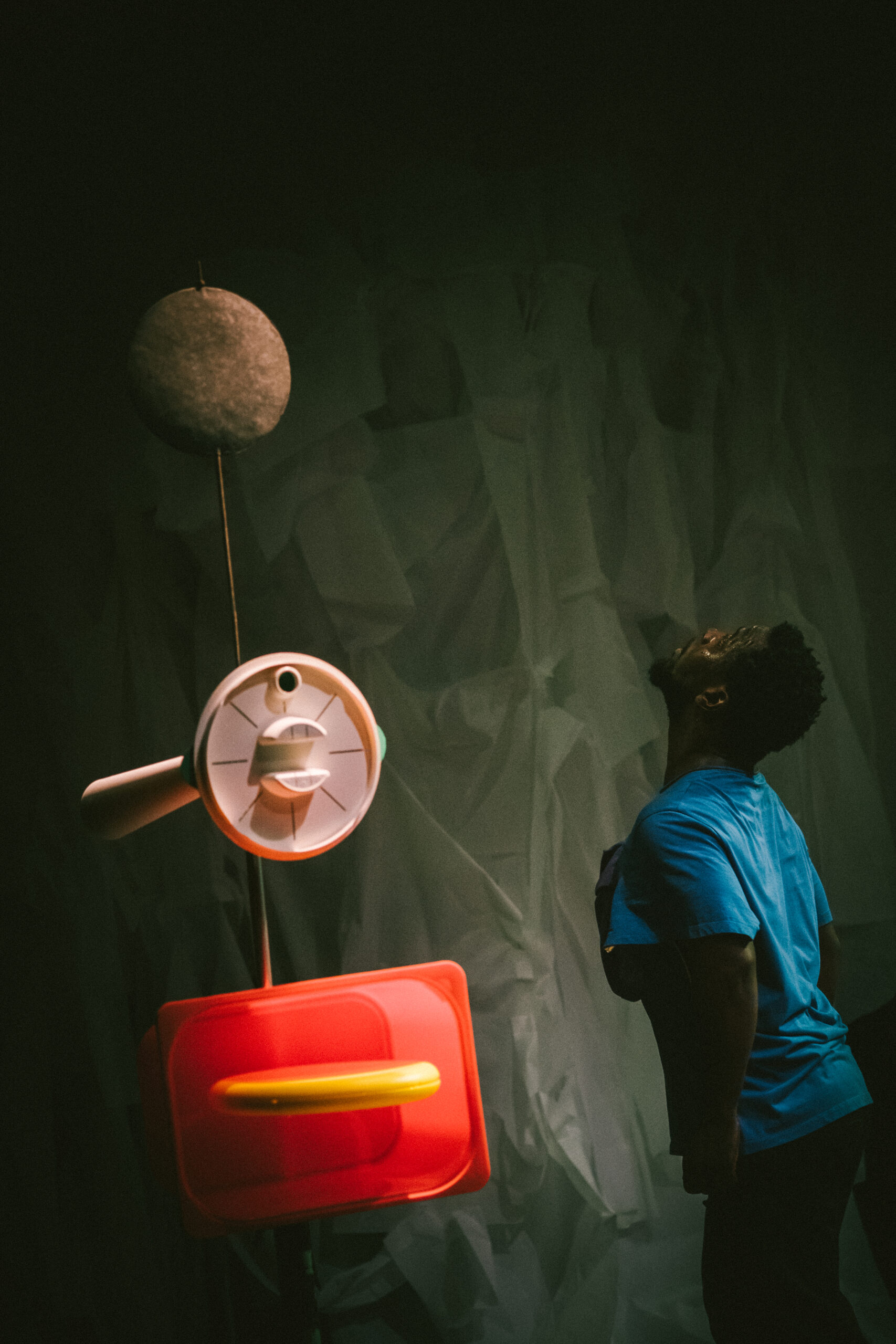
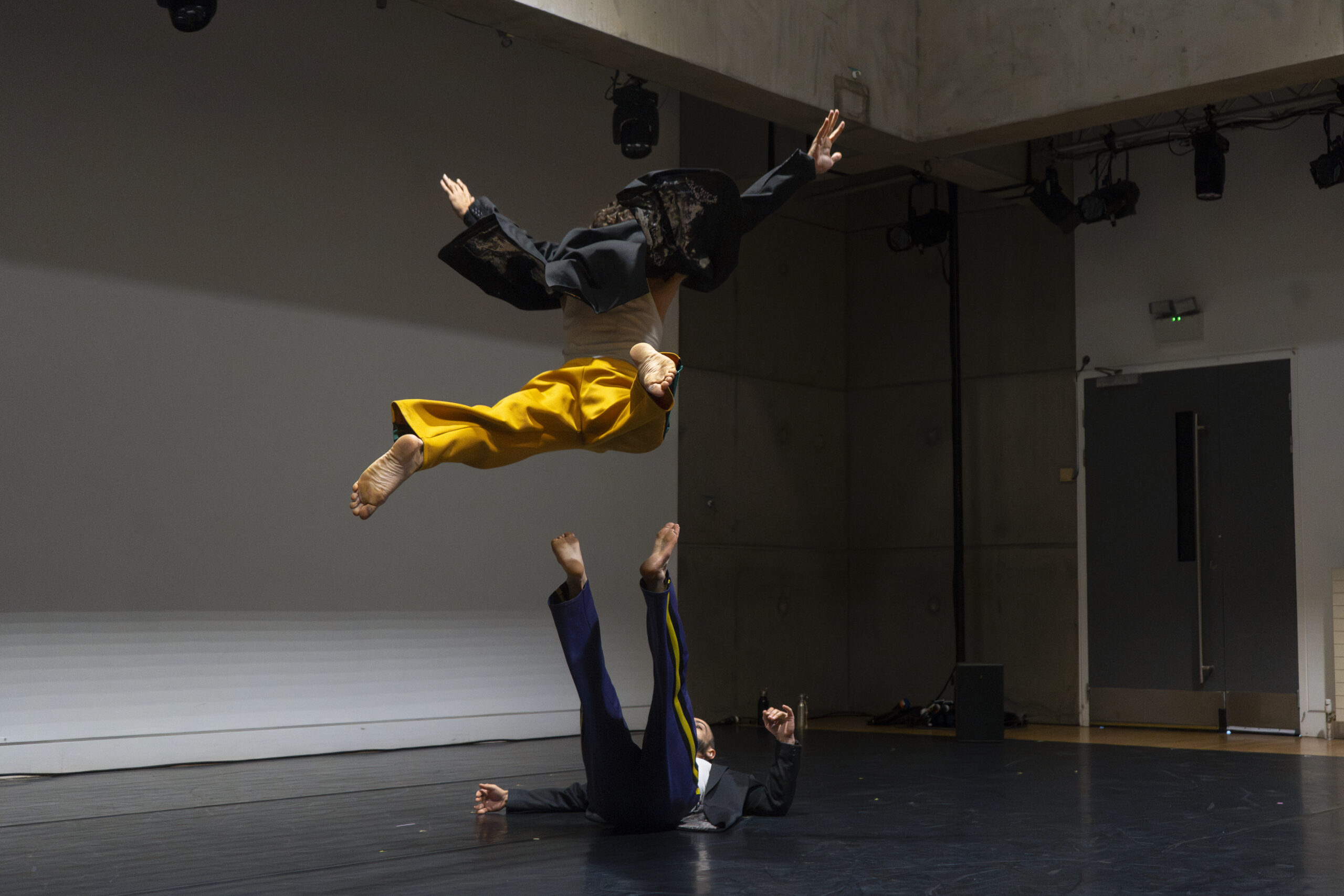
Gio Lourenço (Angola, 1987) constructs a biographical itinerary in which the body becomes an allegory of memory, using a body with a variety of tempos and the movements of Kuduro. Kuduro emerged in Luanda in the 1990s, against a backdrop of civil war. The specific codes of this style of music/dance reached Portugal through the bodies and tapes of those who travelled between the two countries. It was during his adolescence, at the end of the 90s, when he was already living in Portugal, that Gio Lourenço encountered this universe and became a Kudurista, discovering a broken body – his own – where memory is reinvented through gesture. BOCA FALA TROPA proposes a displaced artistic territory based on a concrete geography – transit between Angola and Portugal – using the stages and codes of Kuduro to cross elements of individual memory, and its inevitable fictions, with elements of collective memory.
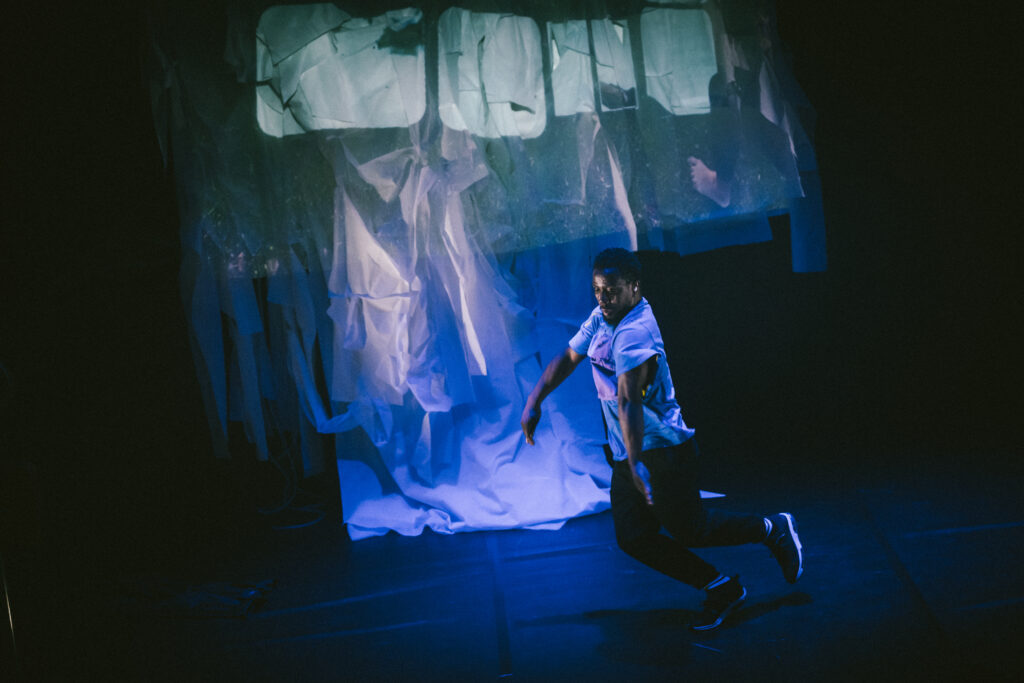
How do you pay tribute to ten years of artistic work and creativity that have come to an end? Is there a way of reviving a festival through a dance performance? Armin Hokmi and his team answer these questions intelligently and brilliantly in Shiraz. It’s almost like watching a sunrise or a sunset: at every moment, this mysterious and captivating work reveals new nuances to the spectator.
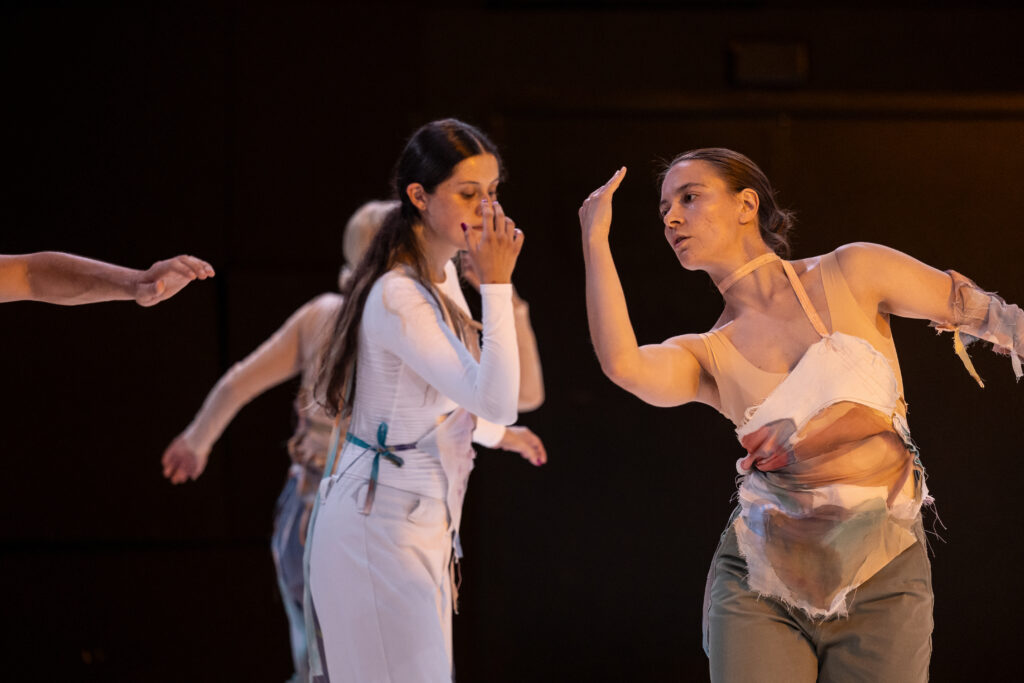
Six performers weave a pattern of movement, winding and unwinding to the pulsating rhythm of a captivating soundtrack, tracing fluid trajectories that unite them in ephemeral constellations. With an unfailing affinity for the nascent impulses between the dancers, Shiraz highlights the collective work of remembering and dancing together. A practice of love.